Self image labs
Self image labs
Self image labs
Self image labs
Self Image Labs empowers individuals to achieve their personal and professional goals through self-awareness and transformation. By promoting a positive self-image, confidence, and the full expression of one’s unique talents, the brand helps people live more consciously and fulfilled, approaching life’s challenges with a positive mindset.
SERVICES
Branding
Art direction
Motion
Strategy
Photography direction
Website layout
Social media design
Self Image Labs empowers individuals to achieve their personal and professional goals through self-awareness and transformation. By promoting a positive self-image, confidence, and the full expression of one’s unique talents, the brand helps people live more consciously and fulfilled, approaching life’s challenges with a positive mindset.
SERVICES
Branding
Art direction
Motion
Strategy
Photography direction
Website layout
Social media design
Self Image Labs empowers individuals to achieve their personal and professional goals through self-awareness and transformation. By promoting a positive self-image, confidence, and the full expression of one’s unique talents, the brand helps people live more consciously and fulfilled, approaching life’s challenges with a positive mindset.
SERVICES
Branding
Art direction
Motion
Strategy
Photography direction
Website layout
Social media design
Self Image Labs empowers individuals to achieve their personal and professional goals through self-awareness and transformation. By promoting a positive self-image, confidence, and the full expression of one’s unique talents, the brand helps people live more consciously and fulfilled, approaching life’s challenges with a positive mindset.
SERVICES
Branding
Art direction
Motion
Strategy
Photography direction
Website layout
Social media design


Typography
Typography
Typography
Typography
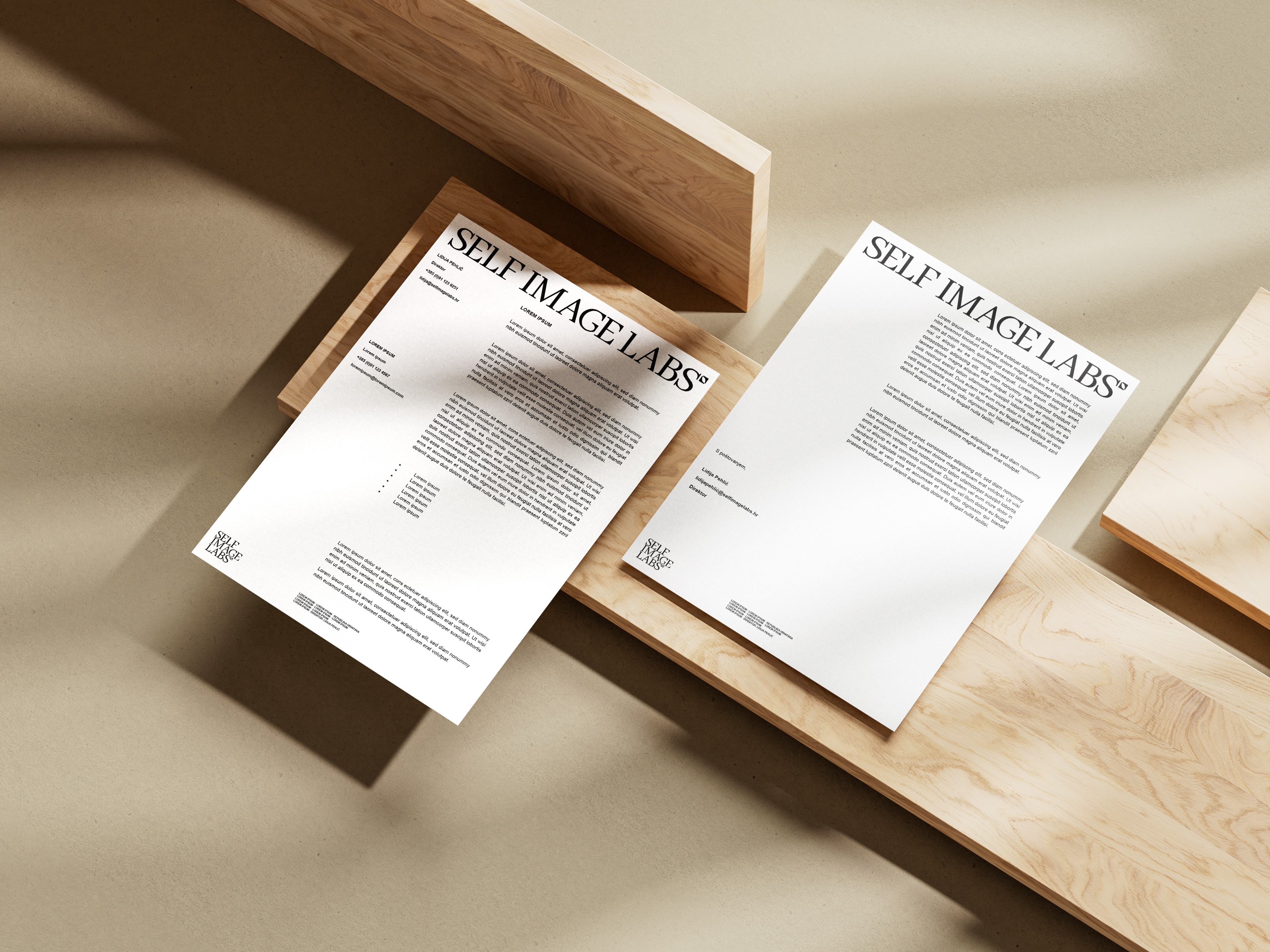
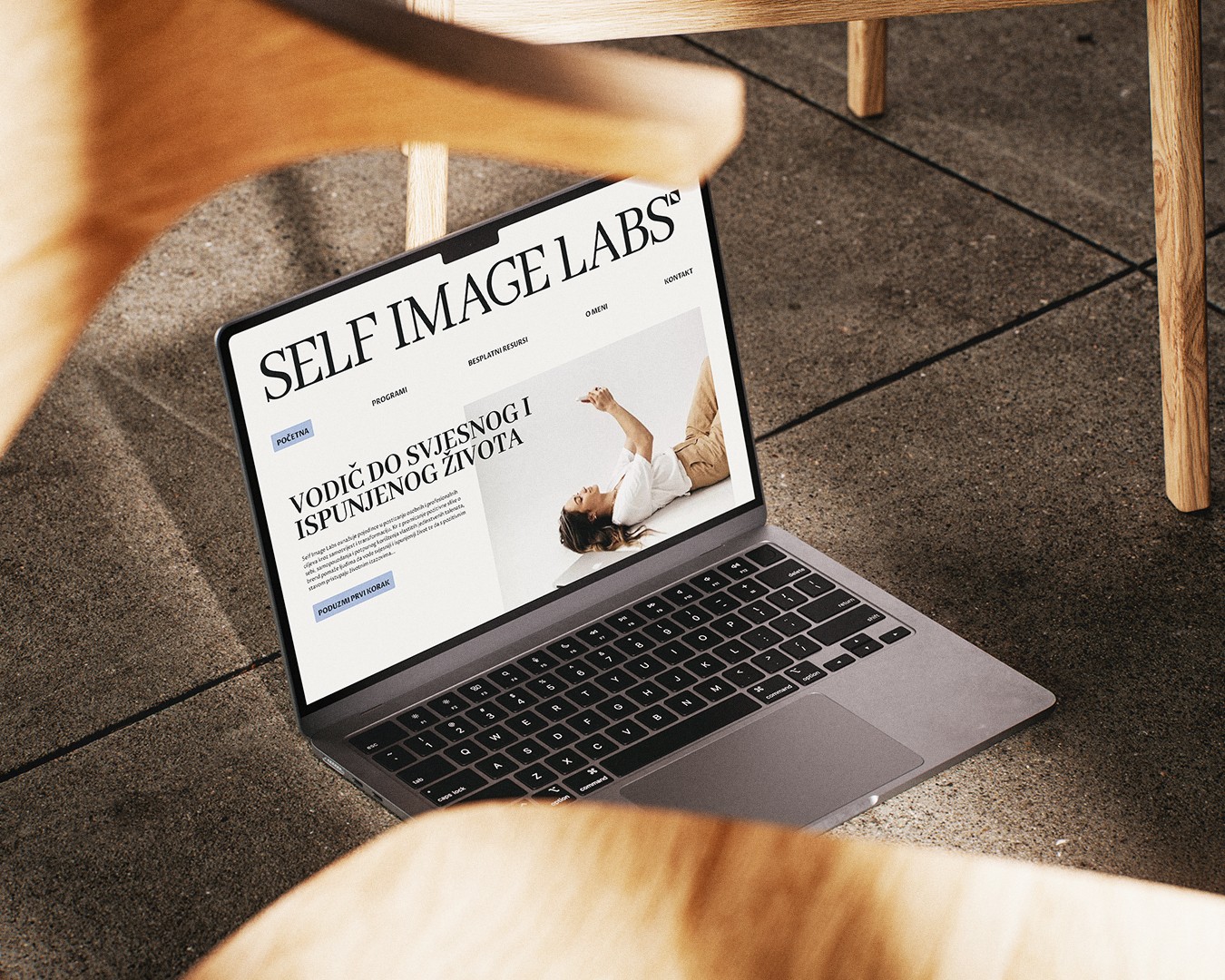
The typographic system is structured around three typefaces, each serving a distinct role within the overall visual framework. The primary typeface is strong, balanced, and highly legible, setting the tone for most applications.
Two secondary typefaces extend this system, offering flexibility across different formats. The first supports printed and static materials, complementing the primary typeface with subtle contrast and variation. The second functions as its digital counterpart, optimized for clarity and performance on screen while preserving the same visual character. Together, these typefaces create a cohesive and adaptable system that maintains consistency across every medium, ensuring both aesthetic harmony and functional precision.
The typographic solutions had to convey a strength, a quiet elegance, while not being fragile or dainty. The empowerment of the audience is the main goal of the brand’s messaging, and the design decisions had to carry that idea as well. The goal was also to choose typography that would not take attention from the message, but to amplify it in a subtle and elegant way.
The typographic system is structured around three typefaces, each serving a distinct role within the overall visual framework. The primary typeface is strong, balanced, and highly legible, setting the tone for most applications.
Two secondary typefaces extend this system, offering flexibility across different formats. The first supports printed and static materials, complementing the primary typeface with subtle contrast and variation. The second functions as its digital counterpart, optimized for clarity and performance on screen while preserving the same visual character. Together, these typefaces create a cohesive and adaptable system that maintains consistency across every medium, ensuring both aesthetic harmony and functional precision.
The typographic solutions had to convey a strength, a quiet elegance, while not being fragile or dainty. The empowerment of the audience is the main goal of the brand’s messaging, and the design decisions had to carry that idea as well. The goal was also to choose typography that would not take attention from the message, but to amplify it in a subtle and elegant way.
The typographic system is structured around three typefaces, each serving a distinct role within the overall visual framework. The primary typeface is strong, balanced, and highly legible, setting the tone for most applications.
Two secondary typefaces extend this system, offering flexibility across different formats. The first supports printed and static materials, complementing the primary typeface with subtle contrast and variation. The second functions as its digital counterpart, optimized for clarity and performance on screen while preserving the same visual character. Together, these typefaces create a cohesive and adaptable system that maintains consistency across every medium, ensuring both aesthetic harmony and functional precision.
The typographic solutions had to convey a strength, a quiet elegance, while not being fragile or dainty. The empowerment of the audience is the main goal of the brand’s messaging, and the design decisions had to carry that idea as well. The goal was also to choose typography that would not take attention from the message, but to amplify it in a subtle and elegant way.
The typographic system is structured around three typefaces, each serving a distinct role within the overall visual framework. The primary typeface is strong, balanced, and highly legible, setting the tone for most applications.
Two secondary typefaces extend this system, offering flexibility across different formats. The first supports printed and static materials, complementing the primary typeface with subtle contrast and variation. The second functions as its digital counterpart, optimized for clarity and performance on screen while preserving the same visual character. Together, these typefaces create a cohesive and adaptable system that maintains consistency across every medium, ensuring both aesthetic harmony and functional precision.
The typographic solutions had to convey a strength, a quiet elegance, while not being fragile or dainty. The empowerment of the audience is the main goal of the brand’s messaging, and the design decisions had to carry that idea as well. The goal was also to choose typography that would not take attention from the message, but to amplify it in a subtle and elegant way.


SHAPES
&
patterns
SHAPES
&
patterns
SHAPES
&
patterns
SHAPES
&
patterns
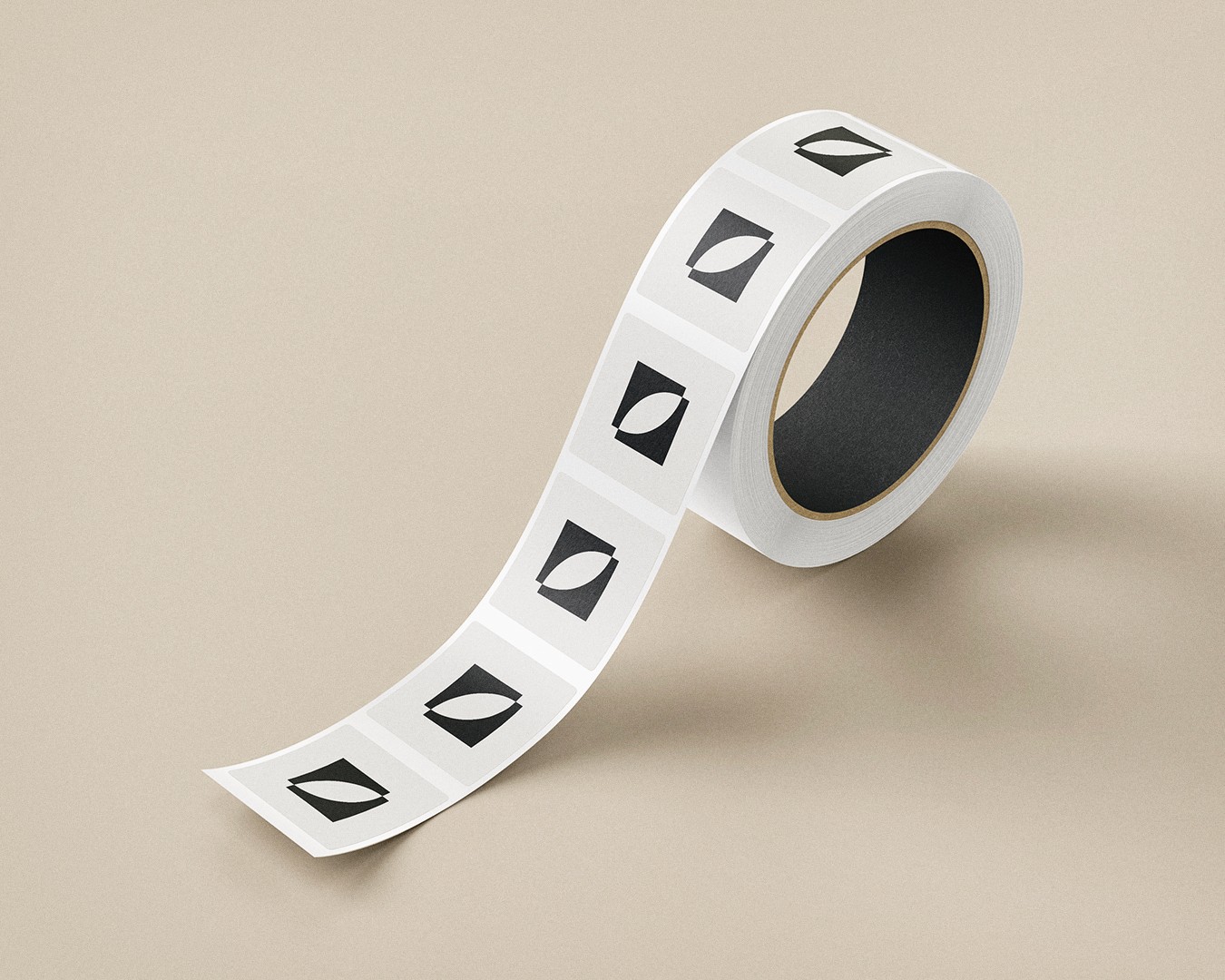
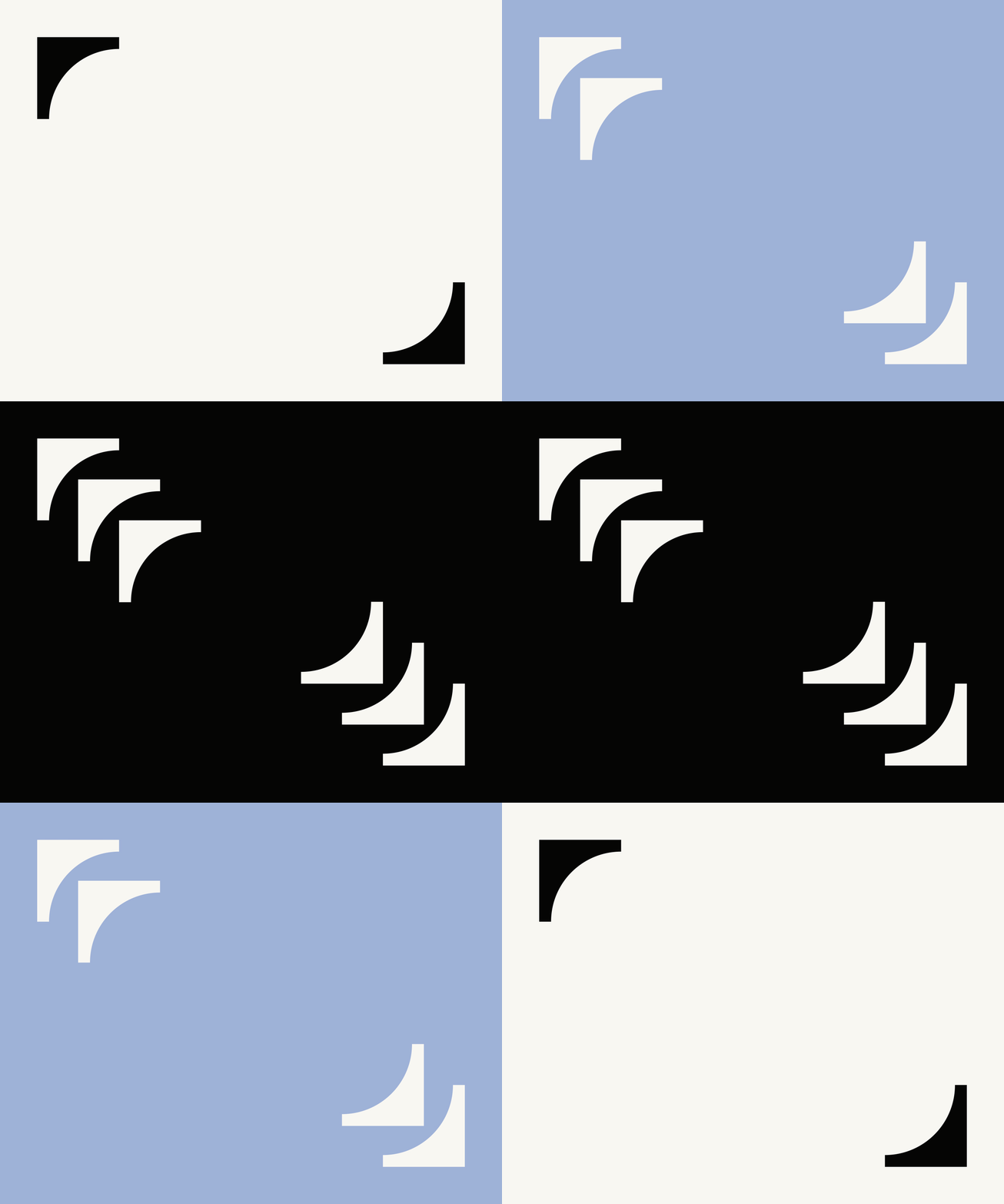
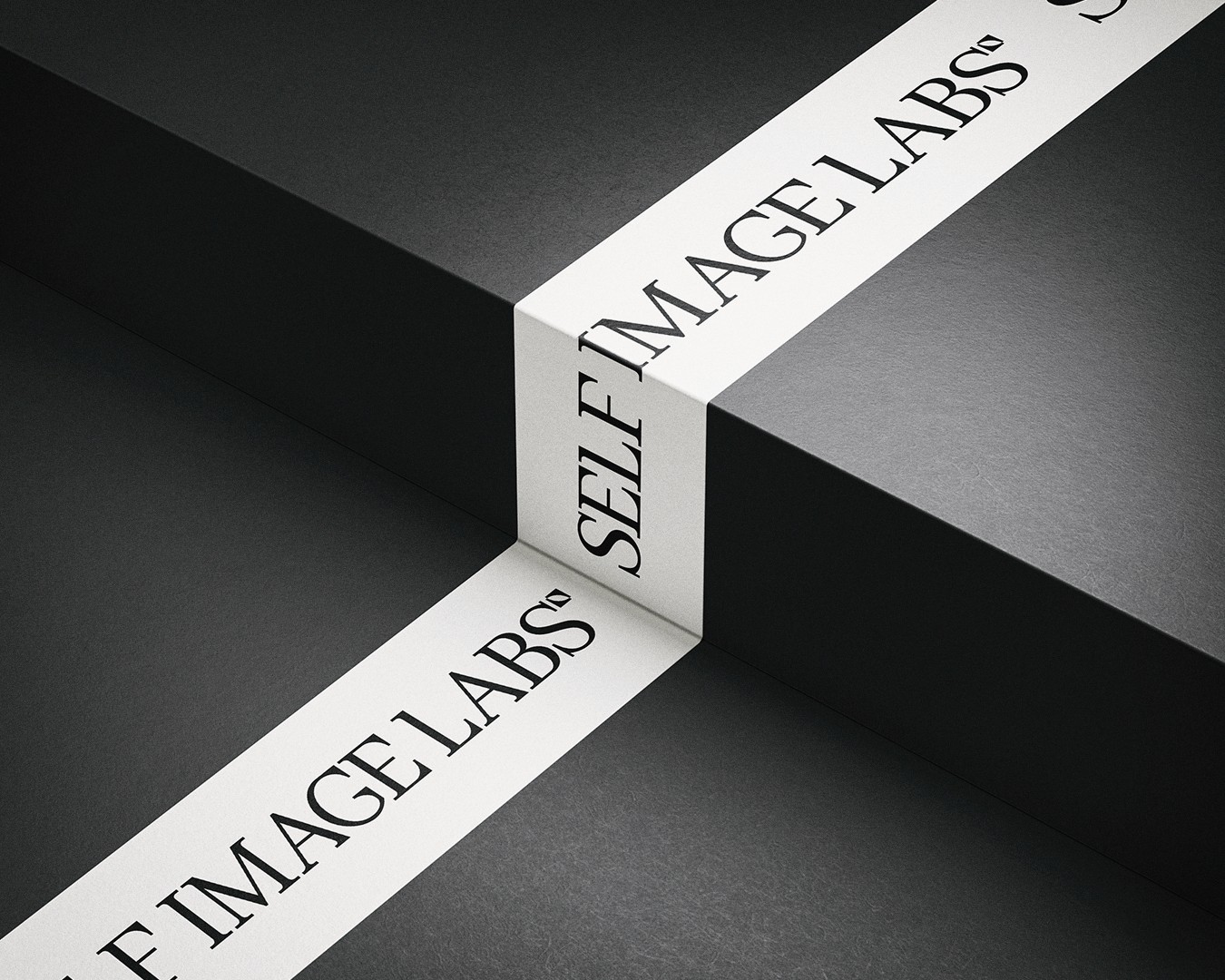
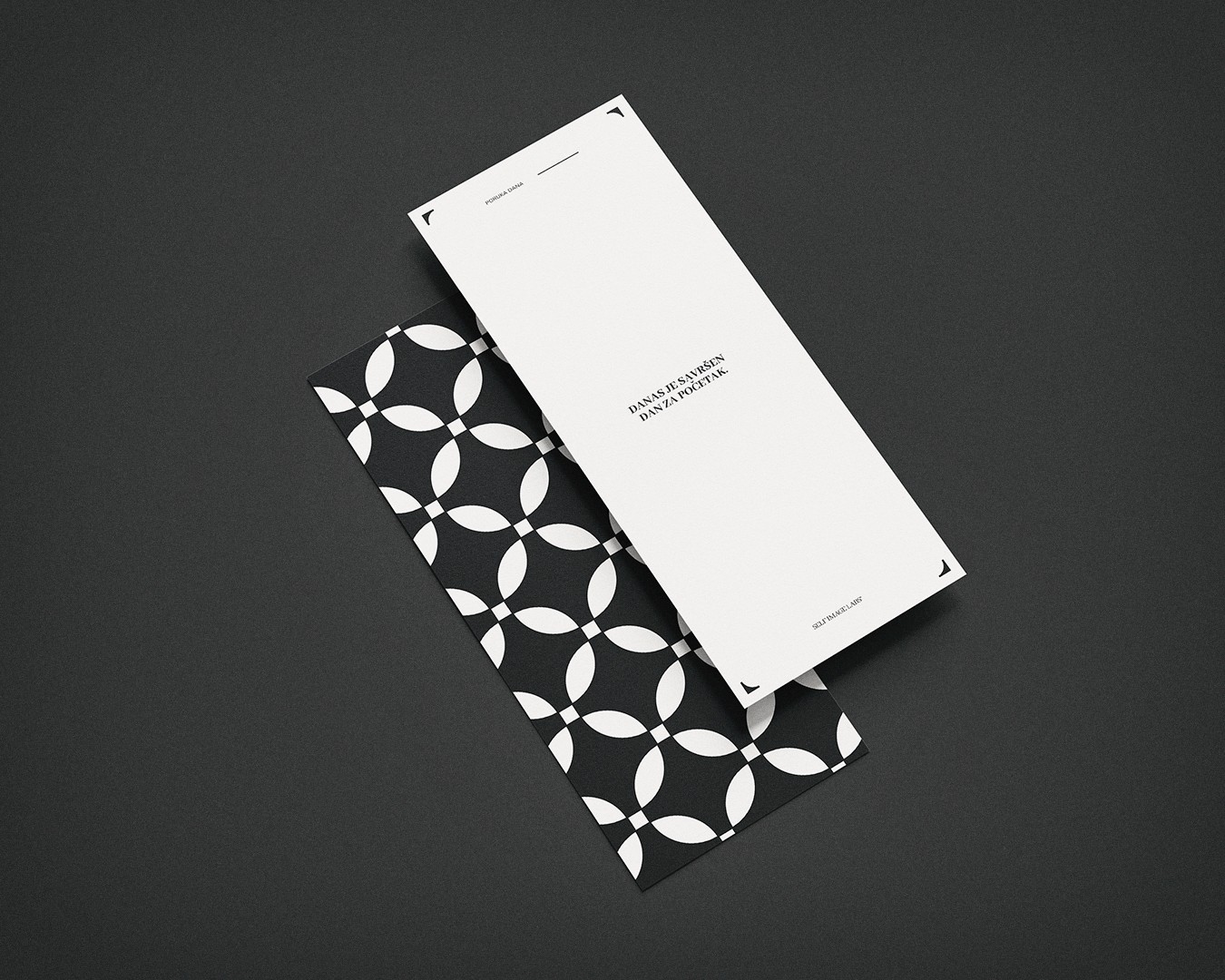
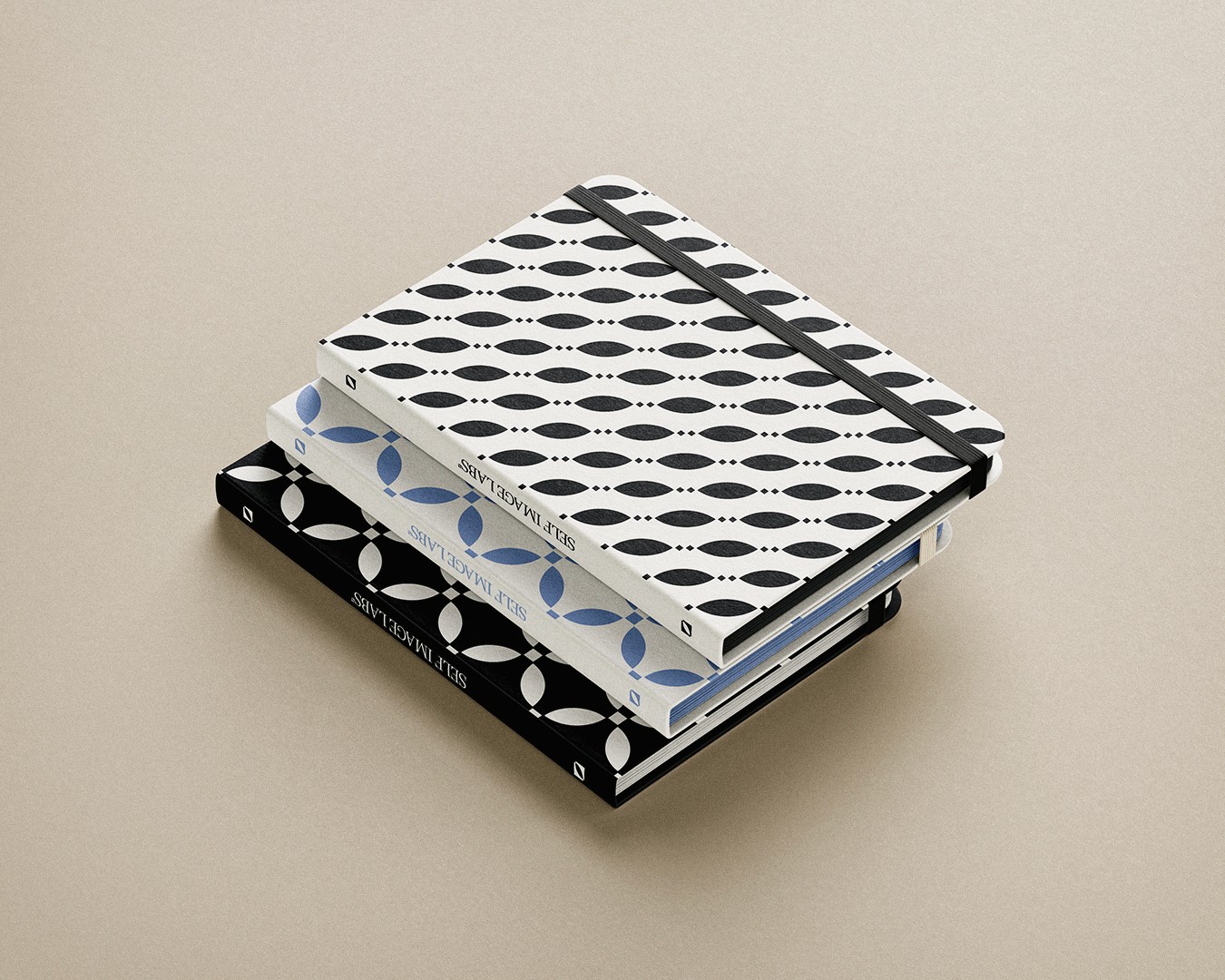
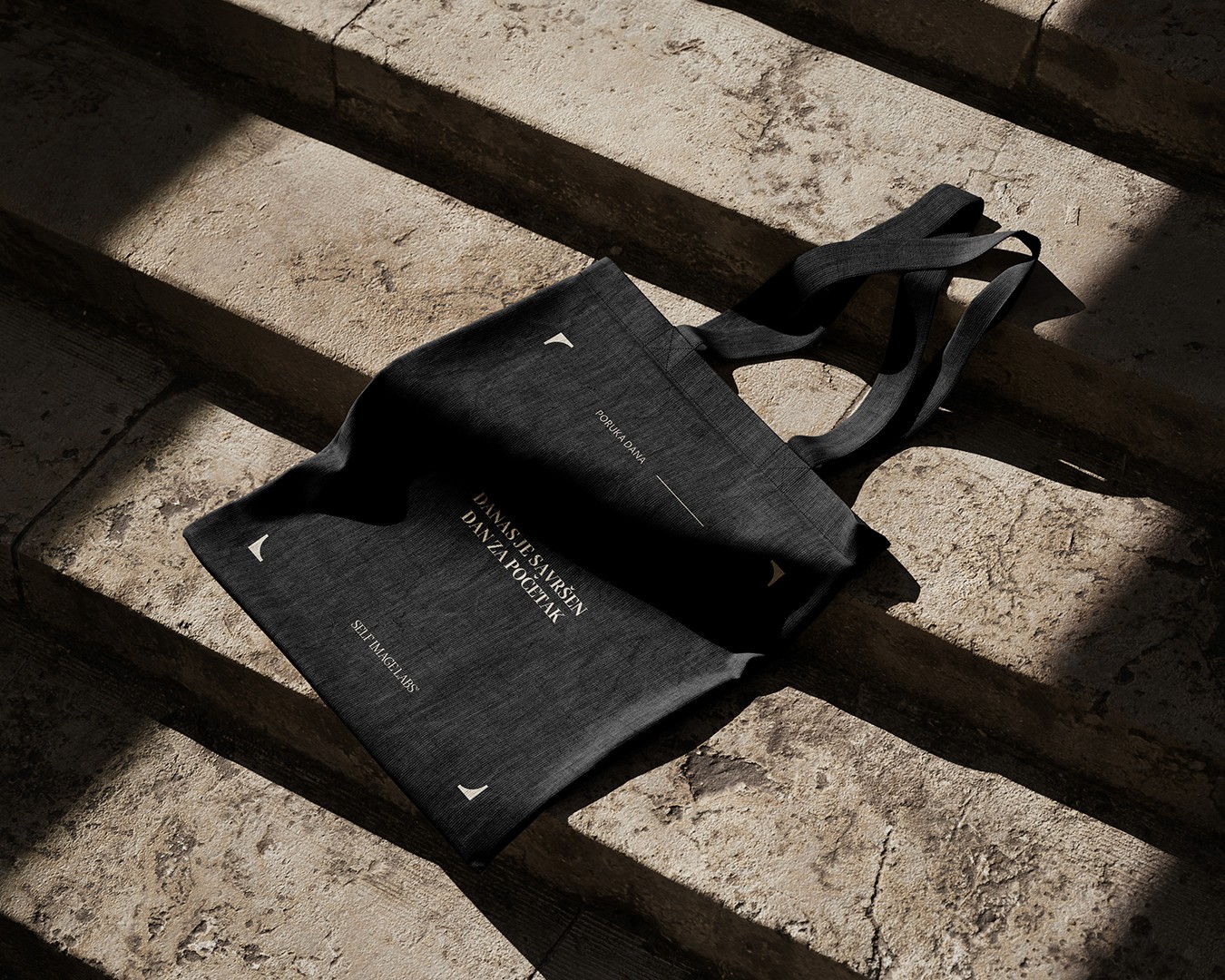
The typographic logo is used as the most common graphic element for this brand’s recognition, but a simple brand symbol still had to be created. The concept was to design a very simple logo mark that would not be illustrative or descriptive, and to grow a flexible graphic system from it. A single serif detail served as the starting point for developing the mark. The form was abstracted, refined, and transformed into a distinctive shape that could be multiplied and arranged into a variety of compositions. Through repetition and variation, the element evolved into a set of patterns and supporting graphics that bring structure and visual rhythm to different formats.
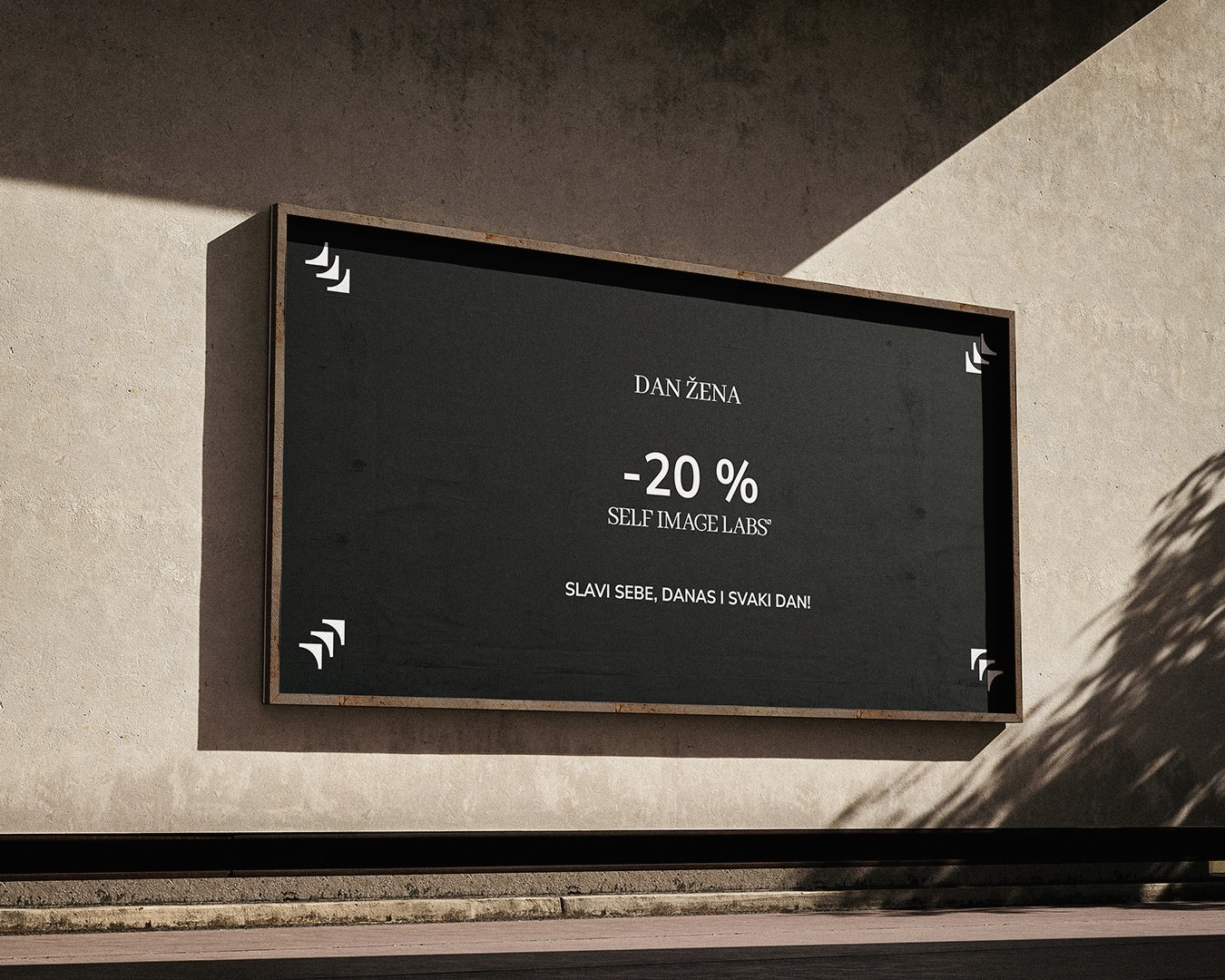
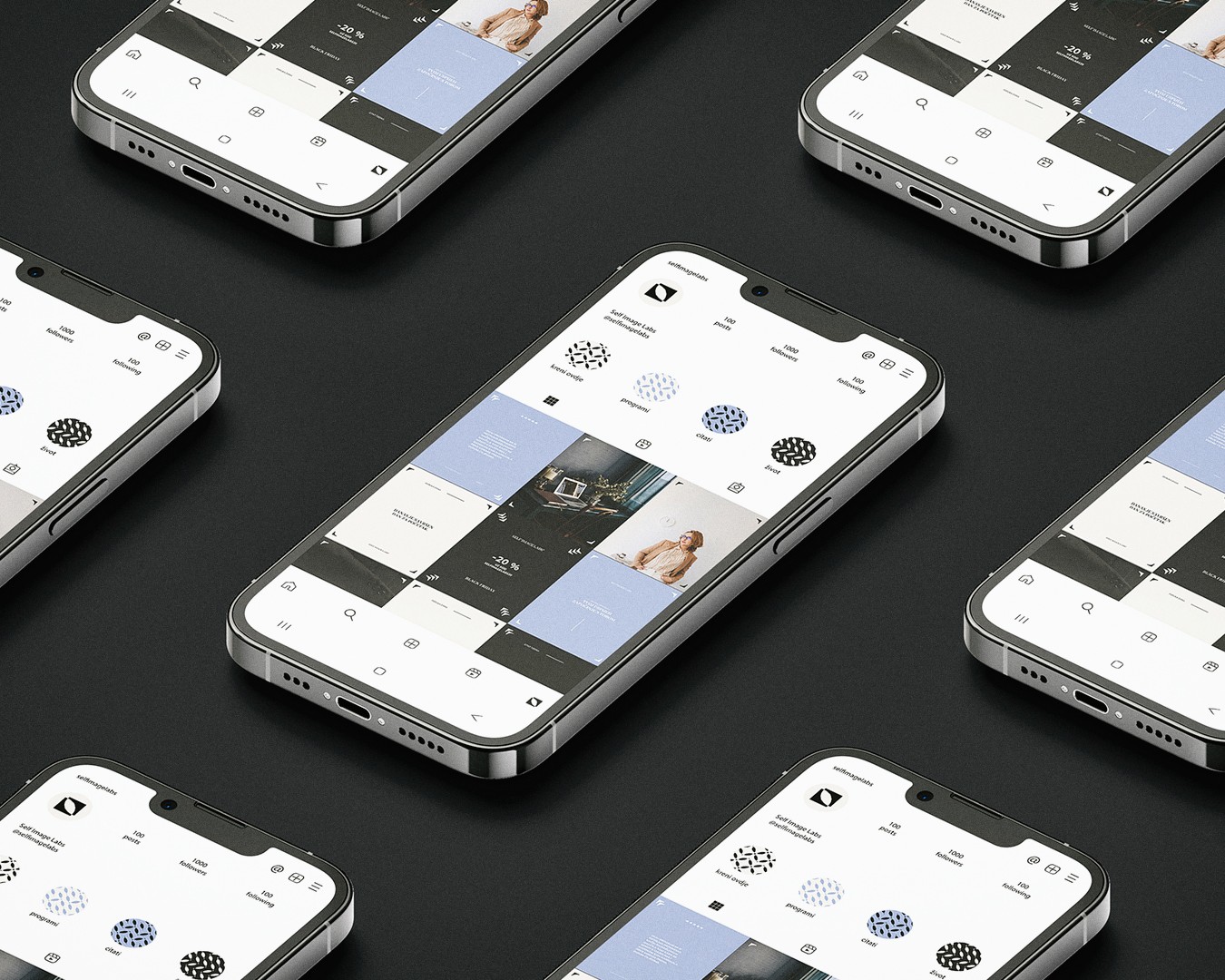
The same forms appear consistently across printed and digital materials such as flyers, posters and presentations, as well as on social media and the website. Repetition of the element across these applications creates visual continuity, while small shifts in scale and arrangement introduce a sense of movement and depth.
Built on one simple typographic fragment, the system demonstrates how a minimal gesture can expand into a complete set of visual tools adaptable to any context.
The typographic logo is used as the most common graphic element for this brand’s recognition, but a simple brand symbol still had to be created. The concept was to design a very simple logo mark that would not be illustrative or descriptive, and to grow a flexible graphic system from it. A single serif detail served as the starting point for developing the mark. The form was abstracted, refined, and transformed into a distinctive shape that could be multiplied and arranged into a variety of compositions. Through repetition and variation, the element evolved into a set of patterns and supporting graphics that bring structure and visual rhythm to different formats.
The same forms appear consistently across printed and digital materials such as flyers, posters and presentations, as well as on social media and the website. Repetition of the element across these applications creates visual continuity, while small shifts in scale and arrangement introduce a sense of movement and depth.
Built on one simple typographic fragment, the system demonstrates how a minimal gesture can expand into a complete set of visual tools adaptable to any context.
The typographic logo is used as the most common graphic element for this brand’s recognition, but a simple brand symbol still had to be created. The concept was to design a very simple logo mark that would not be illustrative or descriptive, and to grow a flexible graphic system from it. A single serif detail served as the starting point for developing the mark. The form was abstracted, refined, and transformed into a distinctive shape that could be multiplied and arranged into a variety of compositions. Through repetition and variation, the element evolved into a set of patterns and supporting graphics that bring structure and visual rhythm to different formats.
The same forms appear consistently across printed and digital materials such as flyers, posters and presentations, as well as on social media and the website. Repetition of the element across these applications creates visual continuity, while small shifts in scale and arrangement introduce a sense of movement and depth.
Built on one simple typographic fragment, the system demonstrates how a minimal gesture can expand into a complete set of visual tools adaptable to any context.
The typographic logo is used as the most common graphic element for this brand’s recognition, but a simple brand symbol still had to be created. The concept was to design a very simple logo mark that would not be illustrative or descriptive, and to grow a flexible graphic system from it. A single serif detail served as the starting point for developing the mark. The form was abstracted, refined, and transformed into a distinctive shape that could be multiplied and arranged into a variety of compositions. Through repetition and variation, the element evolved into a set of patterns and supporting graphics that bring structure and visual rhythm to different formats.
The same forms appear consistently across printed and digital materials such as flyers, posters and presentations, as well as on social media and the website. Repetition of the element across these applications creates visual continuity, while small shifts in scale and arrangement introduce a sense of movement and depth.
Built on one simple typographic fragment, the system demonstrates how a minimal gesture can expand into a complete set of visual tools adaptable to any context.

PHOTOGRAPHY
PHOTOGRAPHY
PHOTOGRAPHY
PHOTOGRAPHY
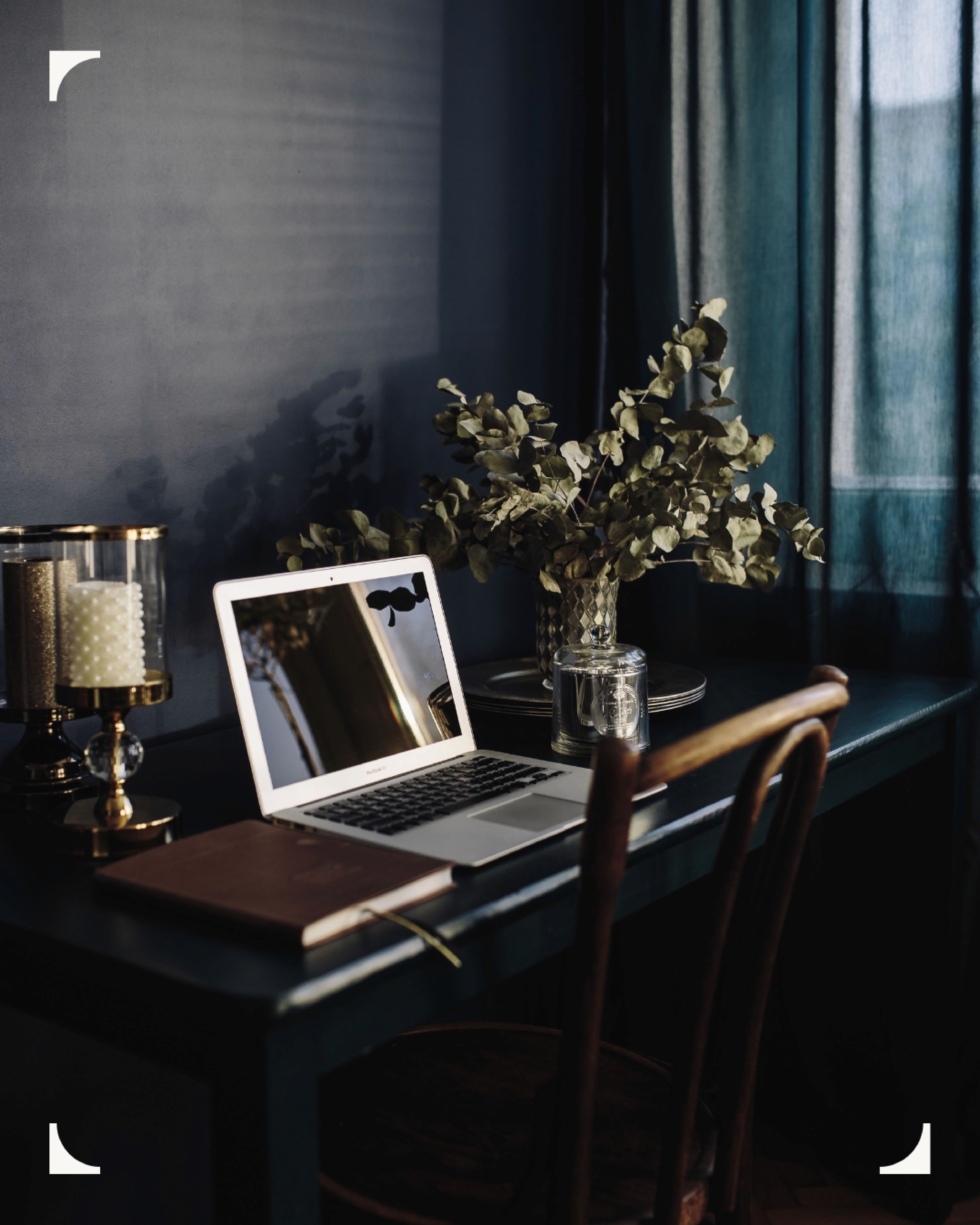
Considering that social media is the main marketing tool for this brand, it was important to establish the photography direction that would suit the brand, and compliment the visual language that was created.
Clarity, simplicity, elegance, and confidence were the keywords used in choosing the perfect photography style that would elevate the content and the messages. The color scheme of the entire visual direction is minimal and quite neutral, except for the blue brand color that is used for strictly defined situations. Photography was a chosen method for bringing color and warmth to the visuals of the brand. The colors are still quite neutral, but the deeper and earthy tones allowed for the visuals to become softer and more personal.
Photography for this brand is used as a tool to catch attention and to serve as a background layer to the messaging. It is not the focus of the content, but an additional tool for connecting with the audience.
Considering that social media is the main marketing tool for this brand, it was important to establish the photography direction that would suit the brand, and compliment the visual language that was created.
Clarity, simplicity, elegance, and confidence were the keywords used in choosing the perfect photography style that would elevate the content and the messages. The color scheme of the entire visual direction is minimal and quite neutral, except for the blue brand color that is used for strictly defined situations. Photography was a chosen method for bringing color and warmth to the visuals of the brand. The colors are still quite neutral, but the deeper and earthy tones allowed for the visuals to become softer and more personal.
Photography for this brand is used as a tool to catch attention and to serve as a background layer to the messaging. It is not the focus of the content, but an additional tool for connecting with the audience.
Considering that social media is the main marketing tool for this brand, it was important to establish the photography direction that would suit the brand, and compliment the visual language that was created.
Clarity, simplicity, elegance, and confidence were the keywords used in choosing the perfect photography style that would elevate the content and the messages. The color scheme of the entire visual direction is minimal and quite neutral, except for the blue brand color that is used for strictly defined situations. Photography was a chosen method for bringing color and warmth to the visuals of the brand. The colors are still quite neutral, but the deeper and earthy tones allowed for the visuals to become softer and more personal.
Photography for this brand is used as a tool to catch attention and to serve as a background layer to the messaging. It is not the focus of the content, but an additional tool for connecting with the audience.
Considering that social media is the main marketing tool for this brand, it was important to establish the photography direction that would suit the brand, and compliment the visual language that was created.
Clarity, simplicity, elegance, and confidence were the keywords used in choosing the perfect photography style that would elevate the content and the messages. The color scheme of the entire visual direction is minimal and quite neutral, except for the blue brand color that is used for strictly defined situations. Photography was a chosen method for bringing color and warmth to the visuals of the brand. The colors are still quite neutral, but the deeper and earthy tones allowed for the visuals to become softer and more personal.
Photography for this brand is used as a tool to catch attention and to serve as a background layer to the messaging. It is not the focus of the content, but an additional tool for connecting with the audience.

RECOGNITIONS
International Design Award · honorable mention
ZGDW Award · finalist
London International Creative Competition · selection
RECOGNITIONS
International Design Award · honorable mention
ZGDW Award · finalist
London International Creative Competition · selection
RECOGNITIONS
International Design Award · honorable mention
ZGDW Award · finalist
London International Creative Competition · selection
RECOGNITIONS
International Design Award · honorable mention
ZGDW Award · finalist
London International Creative Competition · selection
EXHIBITIONS
2025 Zagreb Design Week
EXHIBITIONS
2025 Zagreb Design Week
EXHIBITIONS
2025 Zagreb Design Week
EXHIBITIONS
2025 Zagreb Design Week